
Cooking doesn’t have to be complicated
I am interested in




FEATURED IN






Guides & Resources
![]() Cooking Outdoors
Cooking Outdoors
A Team of Chefs and Food Lovers Helping you Succeed

We Take Food Seriously
That's why we recruited top experts in food, cooking, and other fields. Welcome to the number 1 resource in all things kitchen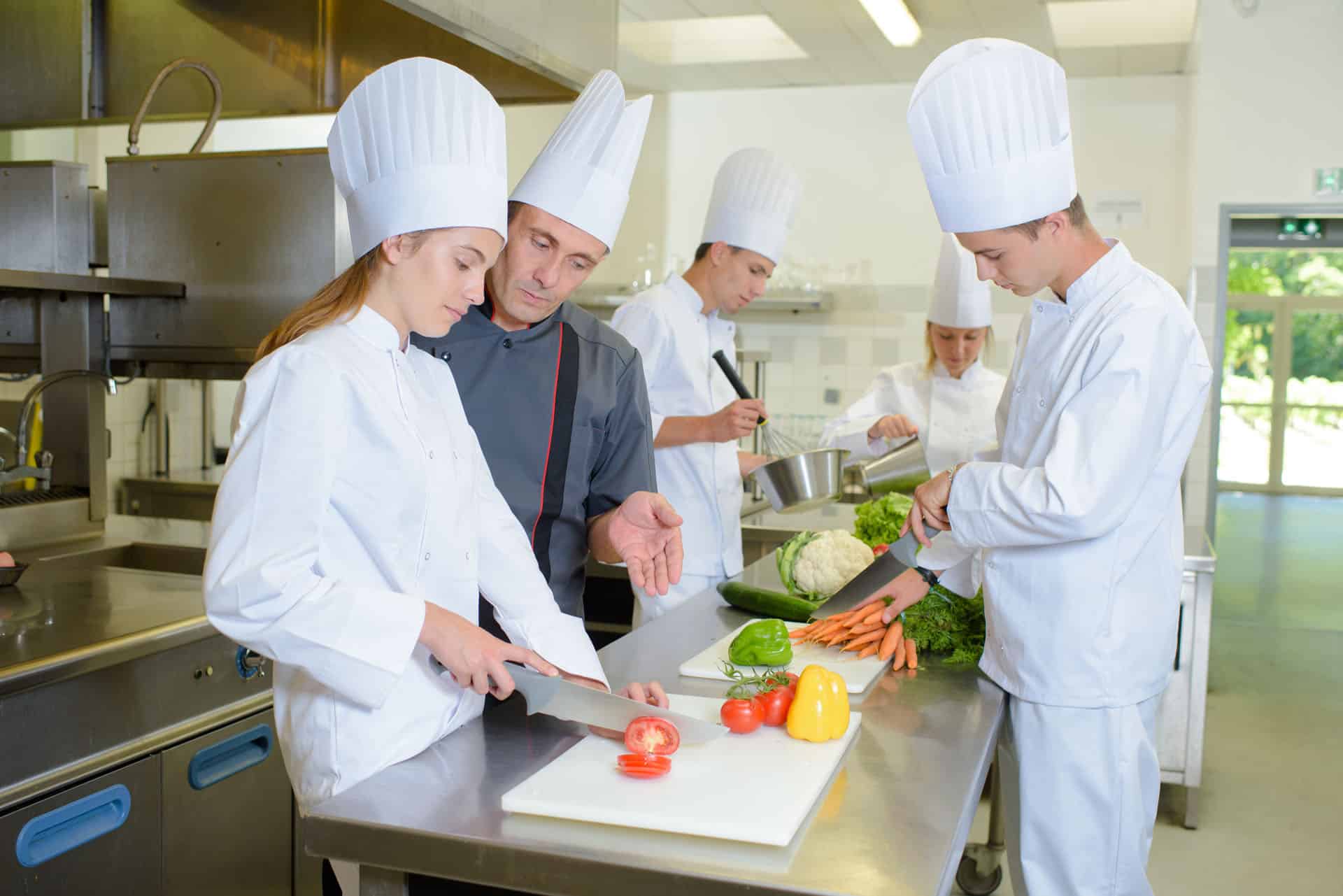

80+
years of experience

600+
articles published

200+
products and services recommended
Our Mission is to bring the best information to everyone
Thewindupspace.com is on a mission to help everyone choose the right tools, ingredients and make the best meal ever
Thousands trust our expert advice and recommendations
We invest a lot of time and effort into providing quality information and researching the best products. This is why thousands of people trust our findings and advice when making their decisions.